best slowdown perks killer
Best Slowdown Perks for Killer
Top slowdown perks for generator control, hook tempo support, and comeback denial. This page is evergreen and optimized around consistent value in real queue conditions. The core filter emphasizes Generator, Regression, Repair so you can build around clear match jobs instead of random perk stacking. Slowdown intent is about delaying survivor objectives while maintaining enough chase threat to cash out time.
Role
Killer
Signals
Generator, Regression, Repair, Skill Check
Update Notes
Checked against current perk pool (Last verified 2026-02-27).
Who This Is For
- Players who want repeatable killer pressure regardless of map draw.
- Killers who lose pressure during target swaps and need cleaner sequencing.
- Anyone specifically solving for generator outcomes this patch cycle.
- Run at least one perk that slows objectives in your strongest phase.
When To Skip
- Skip this setup if your killer power already solves this problem naturally.
- Do not force these picks if your map control failures are pathing errors, not perk gaps.
- Adjust for your comfort pool when one high-ranked perk has inconsistent uptime for you.
- Four-slotting slowdown and losing all chase consistency.
Loadout Construction Rules
- Slot 1: lock a primary win-condition signal (Generator).
- Slot 2: add a second primary signal (Regression) so value windows overlap.
- Slot 3: use a consistency bridge (Hook) for unstable mid-game states.
- Slot 4: flex into matchup insurance (Injured) for close matches.
- Swap one perk at a time and track whether first-down and final-gen outcomes improve.
Quick Wins For This Query
- Run at least one perk that slows objectives in your strongest phase.
- Pair slowdown with hooks or injuries so pressure compounds.
- Force survivors into split decisions between heals and gens.
Biggest Throws To Avoid
- Four-slotting slowdown and losing all chase consistency.
- Kicking low-value gens while survivors reset for free.
- Treating slowdown as autopilot instead of tempo leverage.
Review policy
Perkatory pages are reviewed against current patch notes, in-game behavior checks, and source consistency checks before updates are published.
Patch 9.4.2 · Last reviewed 2026-02-27
Found an issue? Send corrections through Contact or read our policy on About.
Core 4 Picks
Matches: Generator, Regression, Repair, Skill Check
Matches: Generator, Regression, Repair, Skill Check
Matches: Generator, Regression, Repair, Skill Check
Matches: Generator, Regression, Repair, Hook


Extended Picks
#1
After damaging a generator, increases its regression rate and highlights its aura. Also triggers loud noise notifications when Survivors hit good skill checks while repairing that generator.
#2
After damaging a generator, makes other generators begin regressing and forces difficult Skill Checks on Survivors repairing them. Has a cooldown.
#3
Survivors failing repair or healing skill checks grants tokens. Damaging a Generator consumes tokens to apply extra regression and temporarily block that Generator.
#4
After your first hook, a dull totem becomes a Hex Totem and generator auras show repair progress; once four generators are completed, remaining generators explode, lose progress, and begin regressing, then the hex totem dulls and the perk disables.
#5
Starts with Tokens and consumes one when a Survivor is first hooked on a Scourge Hook to damage the most progressed generator and make repairing Survivors scream. Disables once all Tokens are spent.
#6
After damaging a generator, highlights it, and when a Survivor is put into the dying state, highlighted generators explode and begin regressing. Survivors repairing those generators scream and have their auras revealed.
#7
Causes unattended Generators to automatically regress faster than normal. The effect persists until the Hex Totem is cleansed or blessed.
#8
When a generator nears completion, forces continuous skill checks on repairing Survivors. Failing a skill check or interrupting blocks the generator once per generator per trial.
#9
After damaging a generator, the next Survivor to interact with it faces a difficult Skill Check and the generator suffers an immediate regression. It then regresses faster for a short time.
#10
Highlights the auras of damaged Generators based on their regression state and increases the audible range of repair-related noises.
#11
After hooking a Survivor, blocks the first generator a Survivor stops repairing for a short time and highlights it. Cannot activate while its effect is already active.
#12
Increases the penalty for failed healing and repair Skill Checks. Gains Tokens whenever a Survivor is hooked, shortening the warning time before Skill Checks and eventually suppressing the warning audio until the Hex Totem is cleansed or blessed.
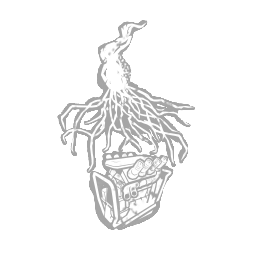

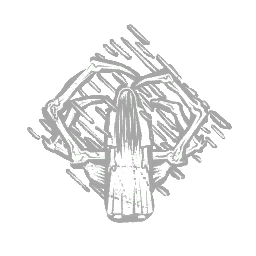




Unlock Path Notes
Source: Onryō
Source: Twins
Source: Unknown
Source: First
Source: Artist
Source: Nemesis
Signal Playbook
Generator
Controls objective pace through repair pressure or denial.
Regression
Removes objective progress and reinforces map control loops.
Repair
Accelerates objective completion or protects objective throughput.
Skill Check
Improves consistency and objective efficiency under pressure.
Hook
Improves value around hook states, rescues, and post-hook sequencing.
Injured
Rewards keeping players injured to force inefficient resets.
Hindered
Compresses movement options and makes loops less forgiving.
Endgame
Spikes value in final generator and gate phases when decisions are compressed.
Match Plan By Phase
Early
- Use tracking/intel signals to force fast first contact and deny safe setup time.
- Convert early hits into objective pressure instead of overcommitting to one chase.
Mid
- Cycle pressure between hooks and generators so survivors cannot reset for free.
- Maintain at least one perk trigger that still pays off when a chase extends.
Late
- Shift pressure to gate/exit denial and protect your strongest closure window.
- Play around exposed/endgame spikes with disciplined target priority.
Common Mistakes
- Stacking multiple perks that only trigger on the same generator window.
- Ignoring your worst phase and over-optimizing for regression highlights.
- Running four slowdown perks with no reliable chase conversion to cash that time advantage.
- Copy-pasting top lists without checking whether the perk trigger actually matches your decision patterns.
- Four-slotting slowdown and losing all chase consistency.
- Kicking low-value gens while survivors reset for free.
Related Guides
Related Best Perks Pages
Use This Page Vs Related Pages
Compared with Best Regression Perks for Killer
- Use this page when your priority is broader role consistency.
- Use Best Regression Perks for Killer when your priority is broader role consistency.
Compared with Best Dead by Daylight Killer Perks
- Use this page when your priority is repair + skill check.
- Use Best Dead by Daylight Killer Perks when your priority is aura + loud noise.
FAQ
How often is this killer list updated?
Checked against current perk pool (Last verified 2026-02-27).
What if I do not own these perks?
Use the perk replacement guide to preserve the same job while lowering ownership requirements.
How should I choose between these options?
Start with the top 4 core picks, then swap one slot at a time based on your queue type and match problems.
Are these pages generated from real perk data?
Yes. Rankings are computed from role-aligned perk metadata and then ordered by signal overlap for this specific query intent.
Should I run all four core perks together?
Not always. Treat the core 4 as a high-confidence pool, then combine them with one consistency slot and one matchup fallback slot.
Why do slowdown builds still lose sometimes?
Slowdown creates time, but you still need down conversion and hook sequencing to cash it out.
Should low-mobility killers run more slowdown?
Usually yes, but still keep at least one tracking or chase bridge slot.