best twins slowdown build
Best Twins Slowdown Build
Top Twins slowdown builds for delaying objectives while maintaining reliable down conversion.
Best Twins Slowdown Build Mini Guide
Twins intent page for best twins slowdown build: high-value when your perk signals are converted by phase instead of forced all match.
Draft Rules
- Core signal priority: Generator
- First quick win: Anchor slowdown in phases where your killer already has board presence.
- First throw to avoid: Stacking passive delay with no chase support.
Phase Plan Focus
- Early plan: Use your info/pressure opener to force first down in a favorable zone.
- Mid plan: Convert hooks into objective pressure while preserving chase efficiency.
- Late plan: Protect your strongest closeout condition before taking high-risk swings.
Pool And Adjustments
- Core 4 anchor: Scourge Hook: Pain Resonance
- Extension anchor: Scourge Hook: Pain Resonance
- Related page path: Not specified
Killer
Twins
Patch
Patch 9.4.2 • Last verified 2026-02-27
Base Guide
Open Twins build guideQuick Wins
- Anchor slowdown in phases where your killer already has board presence.
- Pair one slowdown slot with one tracking slot for better conversion.
- Use hook timing to amplify objective denial windows.
Common Throws
- Stacking passive delay with no chase support.
- Defending one low-value gen cluster while losing map state.
- Treating slowdown as autopilot win condition.
Twins-Specific Notes
- Killer identity: Dead by Daylight Twins builds for split pressure, fast downs, and hook momentum.
- Why this intent fits Twins: best twins slowdown build should reinforce Twins's strongest repeatable pressure pattern.
- Common trap: stacking slowdown with no reliable down conversion.
- Fast adaptation line: if your opener fails, pivot into generator + regression value first, then rebuild tempo.
Core 4 Perks
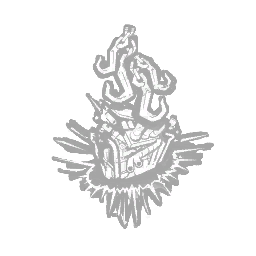
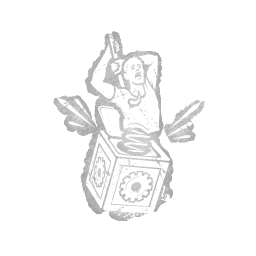
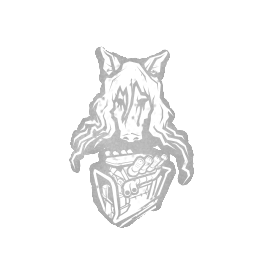
Signals: generator, regression, repair, hook
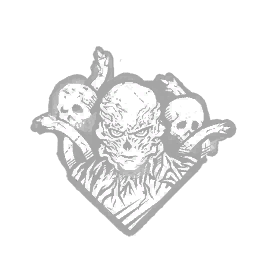
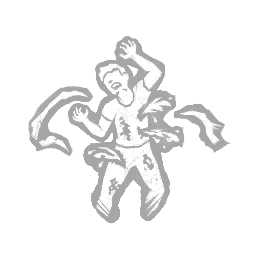
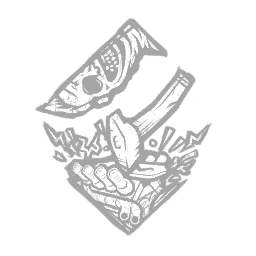
Signals: generator, regression, repair, hook
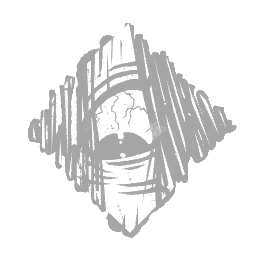
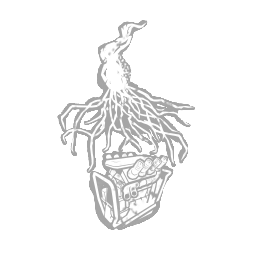
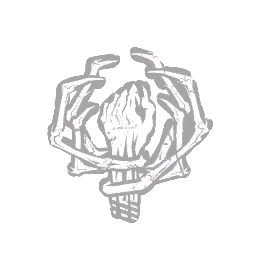
Signals: generator, regression, repair, skill-check
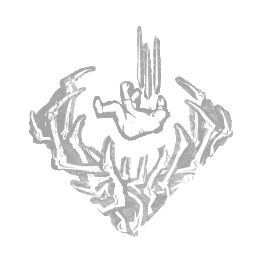
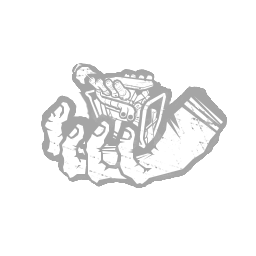
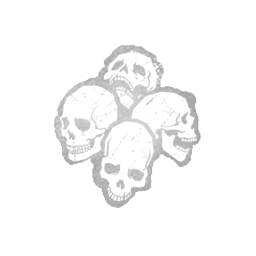
Signals: generator, repair, hook

Extended Picks
#1
Starts with Tokens and consumes one when a Survivor is first hooked on a Scourge Hook to damage the most progressed generator and make repairing Survivors scream. Disables once all Tokens are spent.
#2
After your first hook, a dull totem becomes a Hex Totem and generator auras show repair progress; once four generators are completed, remaining generators explode, lose progress, and begin regressing, then the hex totem dulls and the perk disables.
#3
After damaging a generator, increases its regression rate and highlights its aura. Also triggers loud noise notifications when Survivors hit good skill checks while repairing that generator.
#4
After hooking a Survivor, blocks the first generator a Survivor stops repairing for a short time and highlights it. Cannot activate while its effect is already active.
#5
After hooking a Survivor, the next manually damaged generator immediately loses a portion of its current progress. Deactivates after use or when its timer expires.
#6
Unhooking a Survivor from a Scourge Hook applies Haemorrhage for a duration. After they are healed to full once, they suffer reduced healing and repairing speeds until injured again.
#7
After damaging a generator, highlights it, and when a Survivor is put into the dying state, highlighted generators explode and begin regressing. Survivors repairing those generators scream and have their auras revealed.
#8
After damaging a generator, makes other generators begin regressing and forces difficult Skill Checks on Survivors repairing them. Has a cooldown.
#9
Highlights the auras of damaged Generators based on their regression state and increases the audible range of repair-related noises.
#10
Survivors failing repair or healing skill checks grants tokens. Damaging a Generator consumes tokens to apply extra regression and temporarily block that Generator.
#11
After each Survivor is hooked for the first time, gains a token and later blocks all Generators once you move far enough from the Hook. Once fully charged, also reveals the Obsession's aura.
#12
While at least one Survivor is injured, downed, or hooked, applies a stacking action speed penalty to Survivors. If all Survivors are in those states, the penalty increases further.
Signal Playbook
Generator
Controls objective pace through pressure and denial.
Regression
Rolls back objective progress and extends pressure windows.
Repair
Targets survivor objective throughput directly.
Hook
Creates hook-state value and cleaner conversion loops.
Skill Check
Adds consistency tax to objective interactions.
Injured
Maintains survivor fragility and reset tax pressure.
Aura
Improves target selection and reduces dead rotation time.
Endgame
Spikes value as final generators and gate states become decisive.
Match Plan By Phase
Early
- Use your info/pressure opener to force first down in a favorable zone.
- Avoid overcommitting to one survivor if generator structure worsens.
Mid
- Convert hooks into objective pressure while preserving chase efficiency.
- Use fallback triggers when your primary plan gets countered.
Late
- Protect your strongest closeout condition before taking high-risk swings.
- Force survivor pathing into predictable lanes for final conversions.
Related Intent Pages
Related Guides
FAQ
How often should I update my Twins best slowdown build?
Review after major patch notes and validate against patch 9.4.2 outcomes in your own queue patterns.
What if I do not own all listed perks?
Keep the same perk jobs (info, pressure, conversion, fallback) and replace one slot at a time.
Should I copy the top 4 exactly?
Use the top 4 as a baseline pool, then adapt one slot to your personal weak phase or map pressure gaps.